41 to 57 ← 58 to 85 → 86 to 108
topic 1: the upstarts (previous sections; 021-057)
topic 2: the greeks
58 Quae nunc divitibus gens acceptissima nostris [sit]
- indirect question hanging off fateri
59 et quos praecipue fugiam, properabo fateri,
- et quos praecipue fugiam - another indirect question hanging off fateri
60 nec pudor obstabit. non possum ferre, Quirites,
- Quirites - formal form of address. Gives off 'pompus' vibes - so absorbed in his lecture that he forgets who's talking to
61 Graecam urbem. quamvis quota portio faecis Achaei?
- urbis = Rome
- Graecam = "greek speaking", included Greeks on the Achaean "mainland" and also in Asia Minor and Syria
62 iam pridem Syrus in Tiberim defluxit Orontes
- Syrus = Syriacus = Syrian, of Syria (a country of Asia)
- the zoomable Google My Map is useful
63 et linguam et mores et cum tibicine chordas
- mores - same mos as mos maiorum
64 obliquas nec non gentilia tympana secum
- chordas obliquas lit. slanted strings → harp/lyre
- nec non = necnon = certainly; et
65 vexit et ad circum iussas prostare puellas.
66 ite, quibus grata est picta lupa barbara mitra.
- picta lupa barbara mitra - make sure the nouns have balanced amounts of adjectives
67 rusticus ille tuus sumit trechedipna, Quirine,
- Quirine - vocative
- Quirinus -i noun
- English cannibalises languages, so it's pretty normal to have foreign words, but Latin was "purer", so inserting trechedipna, from treche and dipna (Greek words) feels foreign.
- rusticus ille refers to someone rural - when a trend comes it hits the city first so the fact that even rural people are doing
68 et ceromatico fert niceteria collo.
- ceromatico - mud from wrestling, which is a Greek sport
- basically "Romulus, even the most traditional romans are doing greek things!!!!"
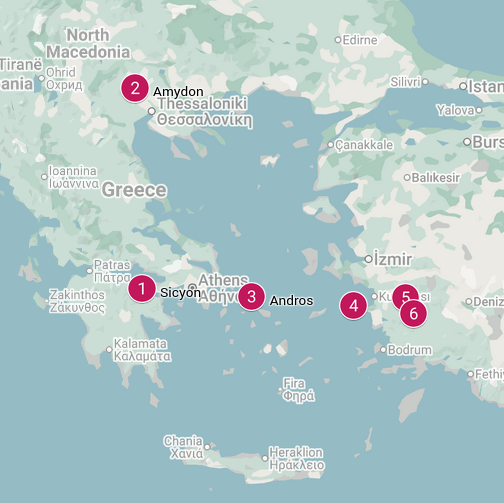
69 hic alta Sicyone, ast hic Amydone relicta,
70 hic Andro, ille Samo, hic Trallibus aut Alabandis,
- as the listing goes on, the places go further and further east from Rome, almost in a line, see this image
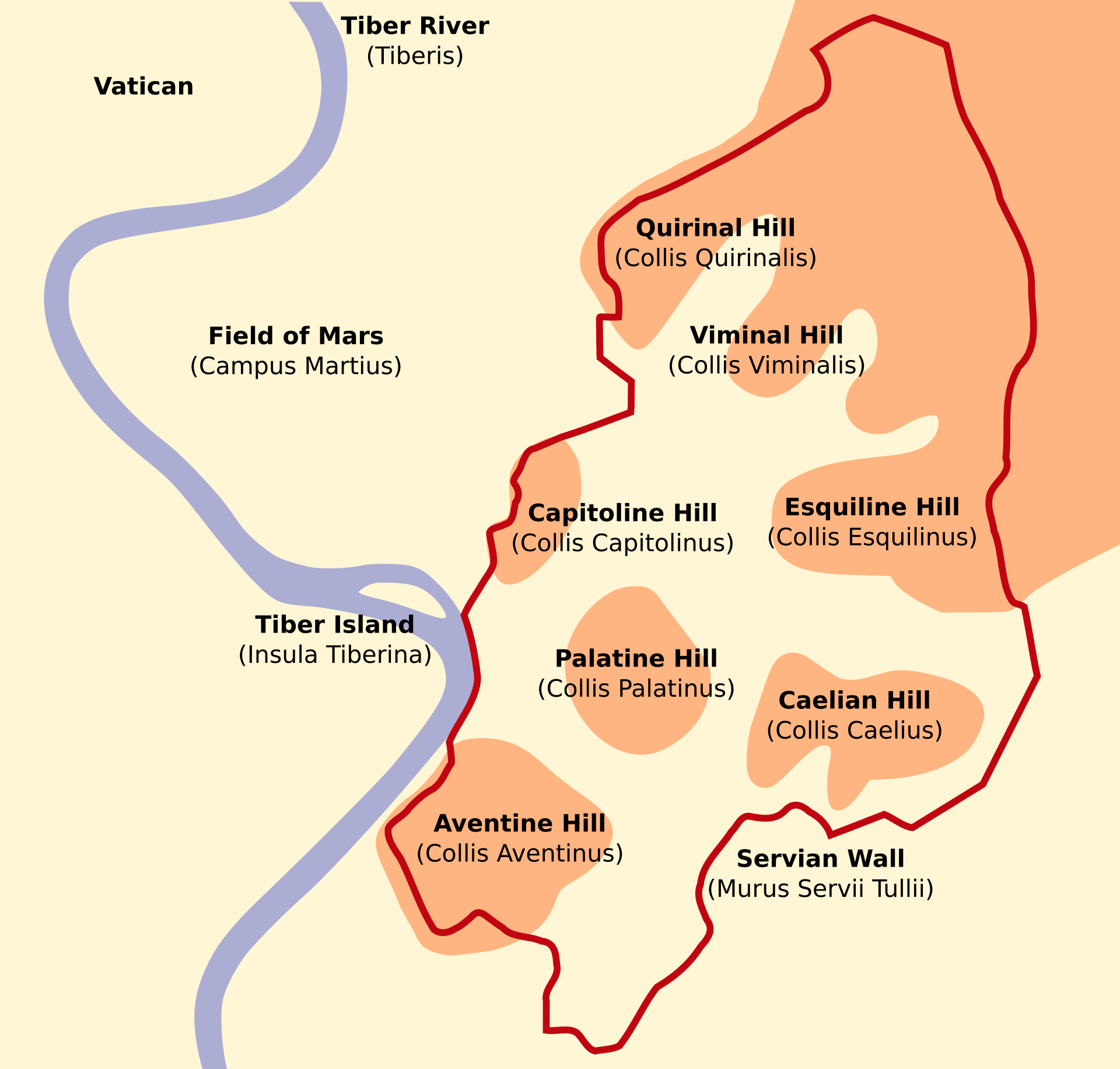
71 Esquilias dictumque petunt a vimine collem,
- Esquiliae, -arum PL. hills of Rome map
- note collis vs collum
- dictum ... vimine - hmmm sounds very Aeneid
72 viscera magnarum domuum dominique futuri.
Which nation is now the most pleasant to our rich people, and who I should especially flee—I will hurry to reveal these, and shame will not stop me. Romans, I can't endure a Greek Rome. And yet, what sized section of the lower orders is Achean people?
Long ago, Syrian Orontes flowed into the Tiber and carried with itself language and customs and slanted strings with a flute player and also drums pertaining to their race, and girls ordered to prostitute themselves at the circus.
Go, those whom the foreign prostitute (with a decorated bonnet) pleases. Romulus, that rustic person of yours picks up Greek slippers and carries medals on the ceroma-smeared neck.
This one from high Sicyon, but this one from abandoned Amydon, this one from Andros, that one from Samos, that from Tralles or Alabanda, xe seeks the Esquiline hill and the high ground named after the twig, the internal organs of large homes and a future master.
adjectives
divus, diva, divum - divine
dives, divitis - rich
There wasn't a greek identity cuz Acheans would refer to themselves as Athenian Spartan etc. "Greek identity" (at what time??) basically meant "spoke greek" & some shared customs like shared gods & attitude to foreigners.
73 ingenium velox, audacia perdita, sermo
- ingenium = in + gen
- audacia; in roman context often a negative thing
74 promptus et Isaeo torrentior: ede quid illum
- Isaeo ablative of comparison
- rhetorician from north Syria active at Rome late 1st century AD; famous Greek public speaker
- torrentior - adjective
- ede = say?
- illum - referring to the greek
75 esse putes. quemvis hominem secum attulit ad nos:
- ede quid illum esse putes - no one can pin down what a Greek is because they can do everything
76 grammaticus, rhetor, geometres, pictor, aliptes,
- grammaticus - high school level ish teacher
- rhetor - university level ish teacher
- pictor - Latin term, the rest are Greek
77 augur, schoenobates, medicus, magus, omnia novit
- schoneobates - hapax legomenon
- one Greek can't do all these things - the cumulation of all of them makes it absurd
- augur, medicus - Latin terms, the rest are Greek - "cultural dilution"/"greeks taking over"
78 Graeculus esuriens: [si] in caelum iusseris, ibit.
- omnia novit Graeculus esuriens if a greek is hungry and looking for a job, he will do anything that you want him to do
- iusseris - ftpf because it's common in conditions (that have an apodosis in the future) to have a ftpf prodosis
79 in summa non Maurus erat neque Sarmata nec Thrax
- in summa = in fact
- Maurus adj, Sarmata...Thrax noun
80 qui sumpsit pinnas, mediis sed natus Athenis.
- Athenis - locative
81 horum ego non fugiam conchylia? me prior ille
- prior - wikitionary says prior serves as the comparative of adv/prep prae, which as prep takes abl
82 signabit fultusque toro meliore recumbet,
- signabit - to witness the signing of a document (e.g. as mentioned in Pro Cluentio)
- fultus toro meliore
83 advectus Romam quo pruna et cottana vento [advecta sunt]?
- pruna, cottana - both
84 usque adeo nihil est quod nostra infantia caelum
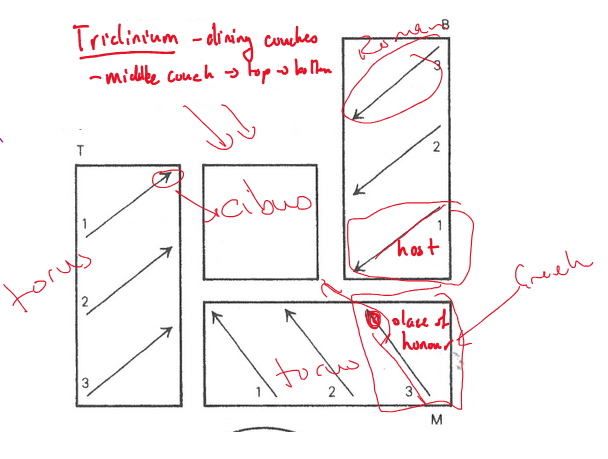
- adeo take as adverb?
85 hausit Aventini baca nutrita Sabina?
- Aventini not locative, genitive. hills of Rome map
- should've done some scansion, with nostra, infantia, baca, nutrita, Sabina all
Quick talent, shameless impudence, ready discussion and more torrential than Isaenus: say what you believe the Greek to be. He brought with him to us any person: teacher, scholar, mathematician, painter, athletic coach, seer, tightrope-walker, doctor, magician, a hungry little Greek knows everything: if you will have ordered [him to go] to heaven, he will go.
In fact, he who picked up feathers was not Moorish (Roman 'Africa' province) nor a Sarmatian nor Thracian, but born in central Athens. Why should I not flee their purple garments? He will witness documents prior to me and lie down, supported by a better bed, (he who) was brought to Rome with the wind by which plums and figs [were brought]?
All the way to what point is there nothing, which, in our childhood, breathed the air, with the Sabine (/saib berry (=olive) nurtured on the Aventine Hill?